
Hemp Underwear: Benefits, Limitations, and Hemp vs. Cotton
An approachable, research-based look at the appeal of hemp underwear, including comfort, fabric blends, breathability, durability, and hemp versus cotton.

Hemp is an interesting fiber for everyday clothing. Its natural strength and ability to absorb moisture make it a promising choice for underwear, especially when blended with cotton and a little stretch. This guide explores what makes hemp appealing, how it becomes fabric, and how it compares with cotton, using textile research alongside practical wearing experience.
Editorial Disclosure
This guide brings together published textile research and my experience wearing different types of underwear fabric, including hemp. I own a pair of WAMA hemp underwear and also work on the brand's e-commerce website. The article is about the material itself, with that connection shared for context.
What Is Hemp Underwear?
Hemp underwear uses textile fiber made from industrial hemp, Cannabis sativa L. Most close-fitting garments are blends rather than 100% hemp because underwear also needs softness, stretch, recovery, and a stable fit.
A label may combine hemp with cotton, elastane, or other fibers. For example, WAMA publishes a target blend of 53% hemp, 44% organic cotton, and 3% spandex. That is one product-specific example, not a standard formula for the category.
Hemp's versatility is part of its appeal. By varying the yarn, knit, blend, and finish, makers can create fabrics with different levels of softness, structure, and stretch. Comfortable seams and a well-designed waistband help bring those qualities together in everyday underwear.
How Hemp Becomes Underwear
Hemp fabric is made mainly from bast fibers in the plant's stalk, not from the leaves. The exact machinery and finishing methods vary by supplier, but the broad path from crop to garment is consistent.
Each step helps turn hemp's sturdy stalk fibers into something comfortable to wear. Refining, spinning, blending, and finishing offer ways to balance softness, strength, moisture behavior, and the feel of the final fabric.
- Grow and harvest industrial hemp for its fiber-rich stalks.
- Ret the stalks to loosen the bast fibers, then separate and clean the fiber.
- Refine and spin the fiber into yarn suitable for textile production.
- Blend when needed, form the yarn into fabric, then dye and finish it.
- Cut and sew the finished fabric into underwear, then check fit, seams, and consistency.
What the Research Supports
Research reviews highlight hemp's useful mechanical strength and moisture-absorbing properties. Those qualities give textile makers a promising foundation for comfortable, hard-wearing fabrics, particularly when hemp is processed and blended with the finished garment in mind.
A 2026 study of hemp-blended woven fabrics found that yarn and fabric construction influence air permeability and water-vapor transmission. That's encouraging for hemp's potential in breathable clothing, though the study tested denim rather than underwear. How a particular pair feels still comes down to its fabric and fit.
- Moisture absorption: hemp is hydrophilic, giving designers an absorbent plant fiber to work with; drying speed depends on the finished fabric.
- Mechanical strength: hemp's strong bast fibers can contribute to hard-wearing textiles when processed and spun well.
- Breathability: thoughtfully constructed hemp blends can offer comfortable airflow, with knit and fabric weight making a difference.
- Comfort: blending hemp with softer or stretchy fibers creates options for a pleasant feel and a flexible, close-fitting garment.
Claims That Need More Context
Hemp's potential antimicrobial properties are another interesting area of textile research. Results differ between fiber types, processing methods, and fabric finishes, so it is worth looking for tests on the finished material when a brand makes a specific odor-resistance claim.
Hemp also offers interesting possibilities as a textile crop. How it is cultivated and processed can create environmental advantages in some settings. For a finished garment, steps such as spinning, dyeing, transport, and useful lifespan also shape the overall impact.
One of the nicest things a brand can offer is clear information about its blend, care instructions, sourcing, and testing. Those details help shoppers appreciate the fabric on its merits rather than rely on sweeping promises.
Hemp offers real possibilities for everyday clothing, and good fabric design helps bring out its best qualities.
Hemp vs. Cotton Underwear
Cotton is familiar, widely available, and comfortable in many garments. Hemp brings another appealing set of fiber characteristics, including strength and moisture absorption. Both can work well for underwear, and blends offer a way to bring their qualities together.
A hemp-cotton blend is an appealing middle ground: cotton can help soften the feel, hemp contributes its own fiber characteristics, and a little elastane can provide stretch. As always, a good cut and comfortable construction complete the experience.
- Initial feel: cotton has a familiar softness; well-finished hemp blends offer another enjoyable fabric texture.
- Breathability: either can perform well when the fabric is light enough and constructed for airflow.
- Moisture: both fibers absorb moisture; transport and drying behavior depend on the blend and structure.
- Durability: hemp's fiber strength is a useful advantage; good seams, elastic, and proper care help the finished garment last.
- Stretch: close-fitting versions of either fabric commonly include a small percentage of elastane or spandex.
- Price and availability: cotton is easier to find at lower prices; hemp blends offer a distinct option worth considering for their feel.
Fit and Construction Matter More Than the Fiber Name
A comfortable hemp fabric deserves a thoughtful design. For boxer briefs and trunks, details such as pouch shape, leg length, waistband tension, and smooth seams can make everyday wear feel better. Other styles benefit from the same attention to coverage, placement, and stretch.
If you are trying hemp underwear for the first time, starting with a familiar cut makes it easier to appreciate the fabric's texture and comfort.
A Short Firsthand Note
Having worn different underwear fabrics, I have enjoyed trying a hemp blend. I own a pair of WAMA hemp underwear and find it comfortable for everyday use. It has been a positive introduction to the material.
I also work on WAMA's e-commerce website, so that connection is worth mentioning. My experience is one small part of this guide; the main discussion draws on textile research, and individual comfort will vary with fit, climate, and personal preference.

A Practical Buying Checklist
If hemp underwear sounds interesting, trying one or two pairs is a simple way to get a feel for the material, the fit, and how it wears and washes over time.
- Read the full fiber composition and compare the actual hemp percentage.
- Choose a familiar cut, then check rise, leg length, pouch or gusset design, and seam placement.
- Use the brand's size chart and look for repeated sizing comments in recent reviews.
- Ask whether technical claims refer to raw hemp, a fabric sample, or the finished garment.
- Check the return, exchange, or first-pair policy before ordering intimate apparel online.
- Follow the care instructions; high heat can shorten the life of elastic and stretch fibers.
The Bottom Line
Hemp underwear is well worth exploring if you enjoy plant-fiber fabrics. Its strength and moisture-related properties make it a compelling material for textile designers, and thoughtful blends can turn those qualities into comfortable everyday clothing. The best results come from a well-made garment.
A comfortable cut, a good fiber blend, and clear care instructions are a great place to start. If you enjoy how hemp feels and it performs well in regular use, it can be a rewarding addition to your wardrobe.
Further reading
Sources & Further Reading
This guide draws on published hemp-textile research and hands-on experience with different underwear fabrics, including hemp. The author owns a WAMA pair and works on the brand's e-commerce website; that experience is noted separately from the scientific sources.
- Hemp Fibre Properties and Processing Target Textile: A ReviewMaterials (MDPI): Peer-reviewed review of hemp fiber characteristics, textile processing, mechanical properties, moisture behavior, and the effects of processing on the finished fiber.
- Hemp: From Field to Fiber—A ReviewTextiles (MDPI): 2024 review of hemp cultivation, processing, fiber production, life-cycle research, and environmental tradeoffs across the textile value chain.
- A Comparative Study of Hemp Blend Ratio, Weft Count and Weave StructureTextiles (MDPI): 2026 study examining how blend ratio and fabric architecture affect air permeability and water-vapor transmission in hemp-blended fabrics.
- About Us: Sourcing and FactoriesWAMA Underwear: Brand background on hemp textiles, fabric sourcing, factories, and supplier standards.
- Fabric Testing: All You Need To KnowWAMA Underwear: A product-specific example of a published 53% hemp, 44% organic cotton, and 3% spandex target blend and independent fabric testing. It is not treated as evidence for all hemp underwear.
- FTC's Endorsement Guides: What People Are AskingFederal Trade Commission: Guidance on clear disclosure when a professional relationship could affect how readers evaluate a product opinion.
Clear answers before you plan
Frequently Asked Questions
Is hemp underwear comfortable?
Yes, hemp blends can be very comfortable. Pairing hemp with cotton and a little stretch fiber can help create a soft, flexible garment, while the knit and fit bring it all together.
Is hemp underwear breathable?
Yes, hemp blends can be designed for good airflow and moisture movement. The finished knit, weight, and fit determine how breathable a particular garment feels.
Is hemp underwear better than cotton?
Both offer useful qualities. Cotton has familiar softness, while hemp brings strength and moisture-related properties. A comfortable hemp-cotton blend can combine the best parts of each.
Is hemp underwear antibacterial?
Some hemp textiles have shown antimicrobial activity in research, which makes this a promising area to explore. Results depend on processing and finishing, so specific antibacterial claims for underwear should be supported by testing.
Is hemp underwear sustainable?
Hemp is a promising textile crop, with potential environmental benefits under suitable growing and processing conditions. Looking at sourcing, manufacturing, and garment lifespan gives the fullest picture.
A practical next step
Planning an e-commerce improvement?
Conduit Code Labs helps improve storefront usability, performance, accessibility, technical SEO, and integrations without losing sight of the customer journey.

About the author
Wayne Pastoral
Full-stack developer behind Conduit Code Labs, working across Shopify, WordPress, web applications, performance, accessibility, and integrations.
Learn more about WayneContinue reading
More from Business & Commerce

Does Your Small Business Need a Website If You Already Have Social Media?
Already using Facebook, Instagram, or TikTok for your small business? Learn when social media is enough, when a website matters, and how both work together.
Read article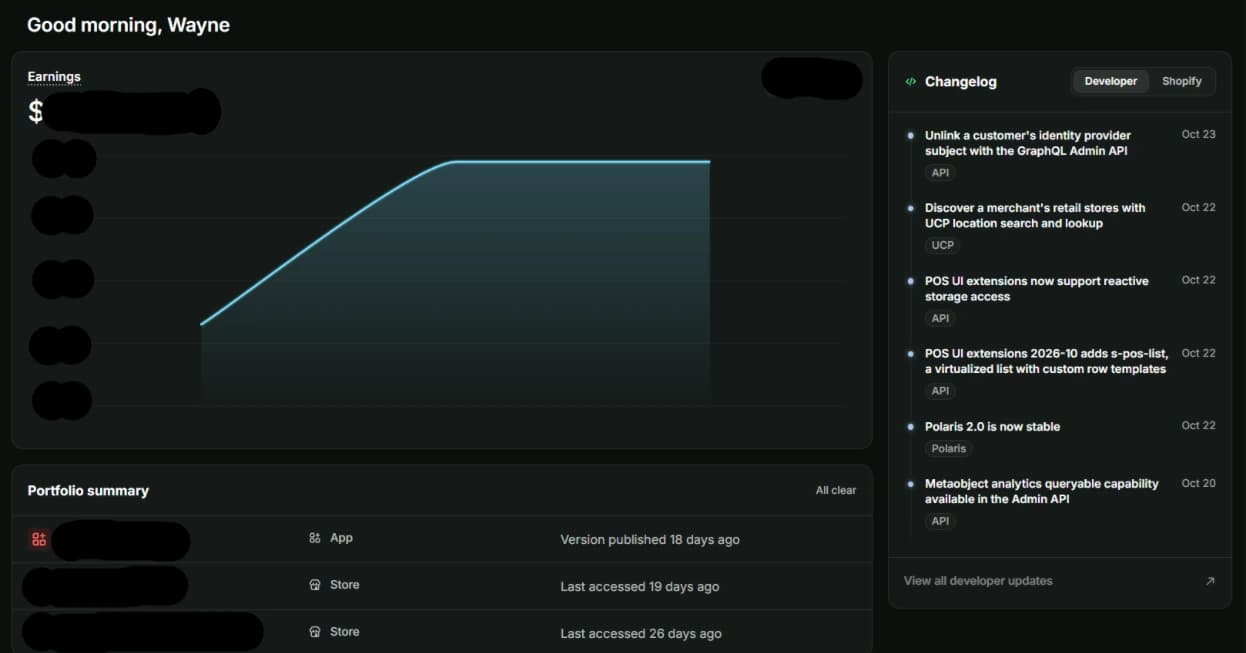
How Shopify Developers Make Money in 2026: Six Income Streams Beyond Building Stores
Six ways Shopify developers earn in 2026, from client builds and retainers to Partner revenue share, apps and themes, with Shopify's real rates explained.
Read article
Black Friday Website Checklist: What to Fix Before the Sale Starts
Prepare your online store for Black Friday 2026 with practical checks for discounts, mobile checkout, speed, stock, shipping, tracking, and launch day.
Read article