
Pax Silica Explained: What It Is and What the New Clark City Project Means for the Philippines
A detailed, neutral guide to Pax Silica and the proposed Clark Advanced Manufacturing Park in New Clark City, including the technology and economic goals, jobs and investment projections, infrastructure needs, community concerns, environmental questions, and what remains unresolved.

Pax Silica is not one giant data center, one semiconductor factory, or a new software campus. It is a U.S.-led international initiative focused on the physical and digital supply chain behind advanced technology, including critical minerals, energy, manufacturing, semiconductors, computing infrastructure, software, and AI. The Philippines joined the initiative in April 2026. In New Clark City, Capas, Tarlac, Philippine agencies are developing the proposed Clark Advanced Manufacturing Park, or CAMP, on roughly 1,620 hectares. As of September 24, the project is more defined than it was earlier in the year, but important pieces remain unfinished: the master agreement is still being negotiated, a final public tenant list has not been announced, project-specific environmental review remains unresolved, infrastructure still has to be built, and community questions about land, consultation, and relocation remain active.
What Pax Silica Actually Is
The U.S. Department of State describes Pax Silica as its flagship initiative on artificial intelligence and supply-chain security. The framework is designed to bring governments and private industry together around technology supply chains that participating countries consider strategically important.
The original Pax Silica Declaration covers much more than AI software. It names software applications and platforms, foundation models, communications networks, computing infrastructure, semiconductors, advanced manufacturing, transportation and logistics, mineral refining and processing, and energy. It also includes investment-security cooperation and measures intended to protect sensitive technology and critical infrastructure.
The Philippines signed the Pax Silica Declaration in April 2026 and was described at the time as the initiative's 13th member. By the conclusion of the second Pax Silica Summit in June, the U.S. Department of State said the declaration had 24 signatories. That international membership is separate from the specific New Clark City project discussed in Philippine news reports.
Pax Silica is an international technology and economic-security framework. The New Clark City hub is one proposed Philippine project connected to that framework.
Why It Is Called Pax Silica
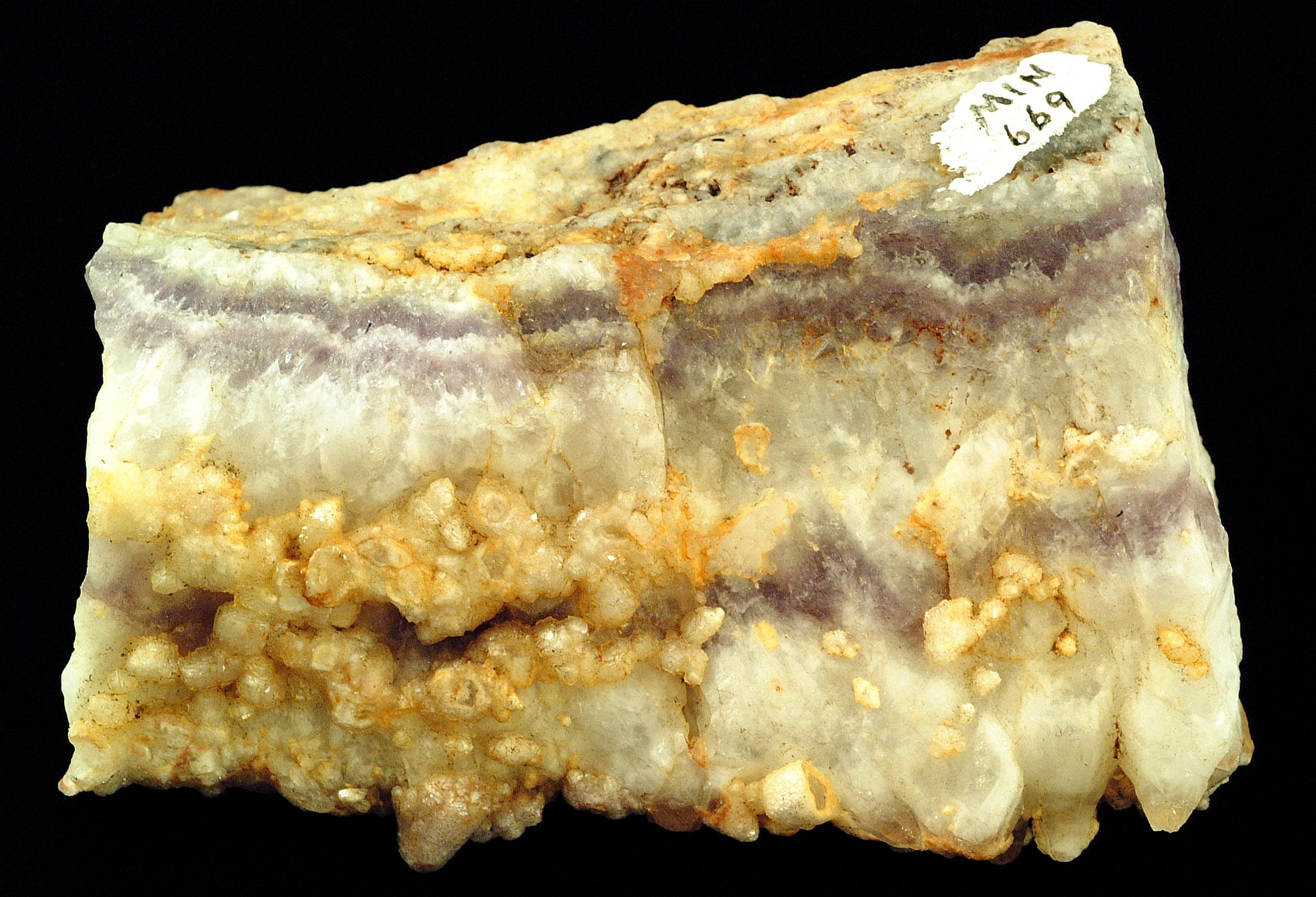
The name is deliberate. The U.S. State Department says pax is the Latin word associated with peace, stability, and long-term prosperity. Silica refers to silicon dioxide, a material from which silicon can ultimately be produced through industrial processing. Highly purified silicon is foundational to modern semiconductor manufacturing.
The name points to the physical side of the digital economy. AI systems may look like software when people use them, but they depend on chips, servers, networks, electricity, cooling, factories, logistics, and the raw materials used to make electronic hardware.
What Is Being Proposed in New Clark City
The Philippine proposal is an approximately 4,000-acre, or about 1,620-hectare, high-technology industrial hub in New Clark City in Capas, Tarlac. New Clark City itself covers about 9,450 hectares, so the proposed site would occupy only part of the city rather than the entire development.
Government descriptions have used terms such as AI-native industrial acceleration hub, advanced manufacturing park, and high-tech manufacturing and innovation hub. The common idea is an industrial ecosystem that could host companies involved in semiconductors, electronics, critical-mineral processing, AI-related hardware and infrastructure, logistics, and other advanced manufacturing activities.
BCDA President and CEO Joshua Bingcang said in August that the first phase could involve roughly 500 hectares and that site development for that phase is seen on a three-to-five-year horizon. That is a planning timeframe, not a promise that the full 1,620-hectare project will be complete within five years.
No, It Is Not Simply a Giant Data Center
Data centers are part of the wider technology supply chain covered by Pax Silica, but Philippine officials have repeatedly said the New Clark City proposal is intended to be manufacturing-led rather than a single enormous data-center complex.
In a July briefing, Bingcang said at least 30 companies had expressed interest in the proposed development and that only one or two were data-center operators. BCDA's stated reason for emphasizing manufacturing is job creation: data centers can require major capital and infrastructure while employing relatively smaller operating workforces than a broad manufacturing ecosystem.
That distinction matters because public discussion sometimes uses AI hub as shorthand. In this project, AI hub does not mean a campus filled only with servers running chatbots. The proposal is broader and is tied to the physical supply chain behind advanced computing.
It Is Not One Semiconductor Factory Either
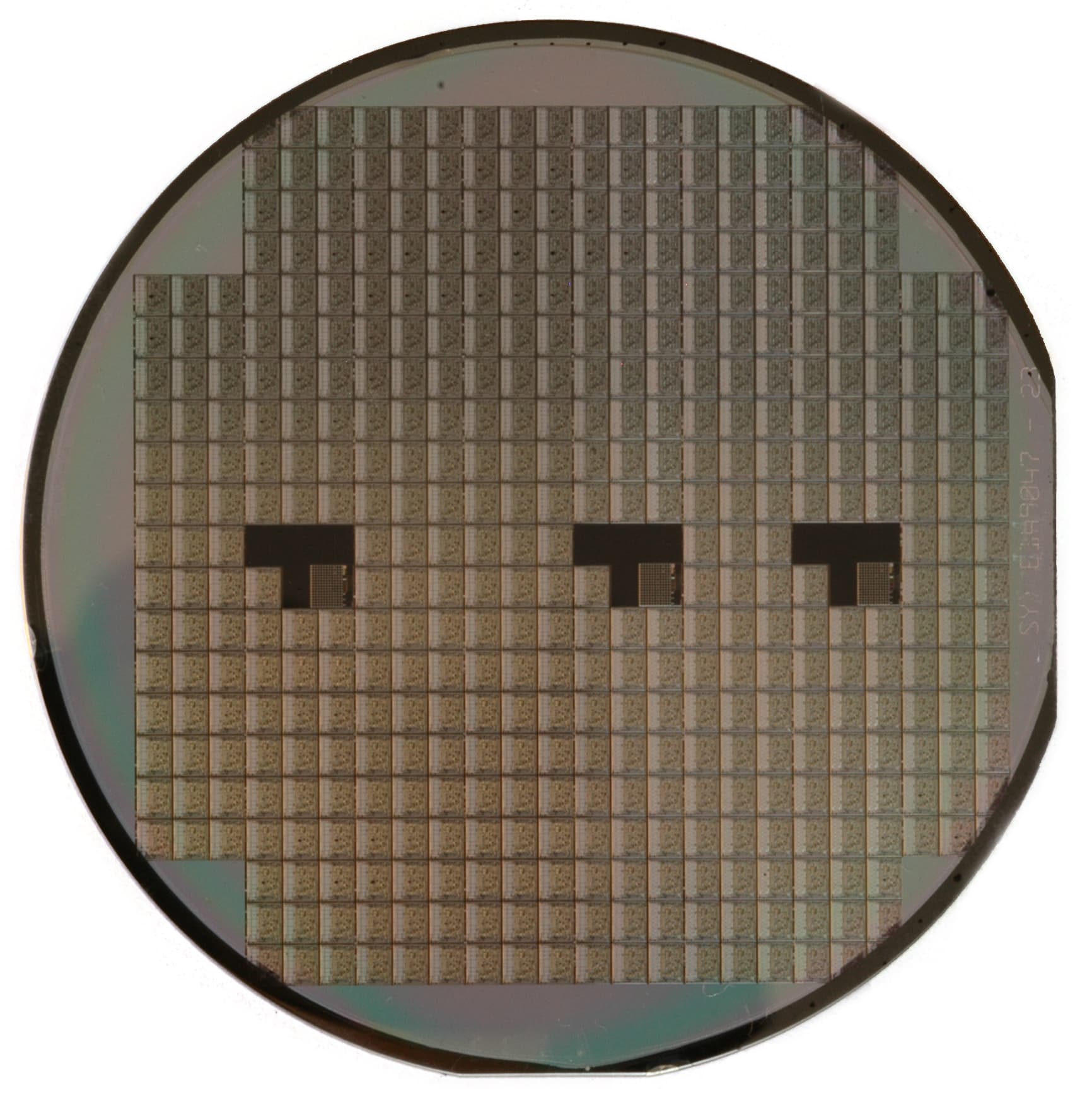
Semiconductors are central to Pax Silica, but the New Clark City proposal should not be described as one confirmed chip fabrication plant. The international framework explicitly covers semiconductor design, fabrication, and packaging, while Philippine officials describe the local project as an industrial estate that could host multiple businesses.
The public materials reviewed for this article do not identify a single confirmed semiconductor fabrication company that has already committed to build a full-scale wafer fab at the site. Expressions of interest, investment targets, and government plans are not the same as final tenant contracts or completed factories.
A more accurate description is that the Philippines wants the site to attract higher-value semiconductor, electronics, mineral-processing, and advanced-manufacturing activity that can plug into the wider AI technology supply chain.
Where AI Fits Into the Project
AI helps explain why this supply chain matters, but the initiative is broader than AI alone. Modern AI depends on a stack of physical and digital systems, and Pax Silica is designed around that wider stack rather than one type of application.
A simplified version of the chain looks like this:
- Critical minerals and materials: inputs used in electronics, power systems, batteries, networking equipment, and semiconductor production.
- Energy: generation, transmission, and reliable power for factories, computing facilities, and industrial operations.
- Advanced manufacturing: equipment, electronics, precision components, industrial automation, and high-value production.
- Semiconductors: chip design, fabrication, assembly, packaging, and testing.
- Compute and connectivity: servers, data centers, telecommunications networks, fiber, and other digital infrastructure.
- Software and AI: applications, platforms, foundation models, data systems, and services that run on top of the physical infrastructure.
- Logistics: ports, roads, transport systems, and supply-chain networks connecting the different stages.

What the Government Is Projecting for Jobs and Investment
BCDA says the proposed development could generate more than 130,000 high-quality jobs and attract roughly US$40 billion to US$70 billion in investment when fully developed. Officials have also discussed a long-term goal of helping lift Philippine exports significantly over a multi-decade period.
Those numbers should be read correctly. They are government projections and development targets, not guaranteed outcomes. The project is still being structured, companies have not all been named, and the final mix of investors will determine the actual employment, capital spending, exports, and technology transfer that result.
Government briefings have named engineers, researchers, computer science graduates, and other skilled professionals as potential beneficiaries. However, there is no published occupational breakdown showing that 130,000 jobs would be software-development or AI jobs. A manufacturing-led ecosystem would also need technicians, operators, industrial engineers, electricians, logistics workers, construction workers, maintenance teams, quality specialists, cybersecurity staff, network engineers, and many other roles.
What This Could Mean for Software Developers and IT Workers
For developers, the careful answer is that Pax Silica can create technology work without being primarily a software-development project. The international declaration explicitly includes software platforms, AI models, information networks, data centers, and computing infrastructure, so software and IT are part of the wider ecosystem.
At the New Clark City site, manufacturing and industrial operations would also depend on software for automation, production monitoring, enterprise systems, cybersecurity, networking, data engineering, cloud infrastructure, analytics, and equipment integration. Those are plausible categories of work in this type of industrial ecosystem, but the public project documents reviewed here do not yet provide a final job count by occupation.
It is therefore misleading to describe the proposal as either no developer jobs or 130,000 AI jobs. The available evidence supports a broader conclusion: the project is intended to create a mix of industrial, engineering, technology, infrastructure, and support employment if investment actually materializes.
Water and Power Are Major Infrastructure Questions
Large industrial and computing projects require reliable water and electricity, so these have become two of the most closely watched parts of the proposal.
BCDA has said the project's estimated water requirement could be about 65 million to 90 million liters per day. Its proposed approach is to use surface-water harvesting, storage, treatment, and recycling rather than rely primarily on groundwater. BCDA has discussed an initial water facility capable of supplying up to 120 million liters per day, with the possibility of later expansion.
For electricity, BCDA has said dedicated power plants and off-grid generation facilities could be developed for the project and that renewable-energy options would be explored. These are proposed infrastructure solutions. Their final design, environmental approvals, operating arrangements, and effects on surrounding communities are matters that still require detailed implementation and regulatory review.
Why Farmers and Aeta Communities Have Raised Concerns
The project has also produced real local opposition. Farmers and Aeta community representatives in and around Capas have raised concerns about land, livelihoods, water, agricultural activity, burial grounds, ancestral-domain claims, and possible displacement.
BCDA has publicly said the proposed development is outside ancestral domains and has said it does not intend to displace indigenous communities. Community representatives have disputed parts of that account and have said the project could affect land they use or claim. These are not minor differences in wording; they are competing factual and legal claims that require proper mapping, consultation, documentation, and review.
The Senate Committee on Environment, Natural Resources and Climate Change began examining the project's environmental and social implications in August. During that process, senators raised questions about water, electricity, indigenous peoples, farmers, transparency, technology transfer, environmental protection, and constitutional safeguards. As of August 21, those issues should not be presented as finally resolved.
September reporting added a more specific BCDA estimate for possible relocation. BCDA President and CEO Joshua Bingcang said the affected portion is roughly 10 hectares within the wider proposed site and estimated about 40 households, or around 200 people, may need to move. He said they would remain within the same barangay and on BCDA land and would receive assistance. This remains an agency estimate rather than a final independently reconciled census.
Aeta Hungey representatives interviewed in Capas have continued to say they lack sufficient clarity about the exact project boundaries, land they use or claim, livelihoods, and relocation. Their statements are community accounts, not final legal findings about ancestral-domain boundaries or ownership, but they show that the social-impact questions remain contested and that consultation, mapping, and documentation are still important parts of the process.
The Project Is Still Being Negotiated and Structured
A useful way to avoid misinformation is to separate the signed international Pax Silica framework from the unfinished terms of the New Clark City industrial project. The Philippines has already joined the wider initiative, but the specific CAMP agreement, investor commitments, environmental approvals, and implementation details are separate steps.
Trade Undersecretary Ceferino Rodolfo said in September that the master agreement for the Clark Advanced Manufacturing Park is expected to be signed in November 2026. He also said the planned governance framework will explicitly state that CAMP remains Philippine sovereign territory and that expatriate personnel will not receive diplomatic immunity or a special carve-out. Those statements describe the government's current negotiating position; the final agreement itself was not publicly reported as signed as of September 24.
The project is also being placed within a broader Philippine Technology Corridor. DTI has described New Clark City as the advanced-manufacturing node, alongside other proposed nodes for IC design, critical minerals, AI compute and cloud infrastructure, connectivity, and possible future wafer fabrication. DTI has stressed that this wider corridor is not identical to Pax Silica and that the New Clark City node is currently the most directly connected to the initiative.
Actual factory development will still depend on enabling infrastructure, financing, investor commitments, permits, and construction. DTI has said advanced-manufacturing facilities in Clark will require power and water infrastructure before factories can be built, so the presence of a policy framework should not be confused with completed investment on the ground.
- Master agreement: still under negotiation as of September 24, with November 2026 publicly identified as the current signing target.
- Sovereignty: officials say the governance framework will explicitly preserve Philippine sovereignty and provide no diplomatic immunity or special carve-out for expatriate personnel.
- Investors and locators: expressions of interest have been reported, but a final public list of committed CAMP tenants has not been announced.
- Construction: public reporting reviewed through September 24 does not establish that physical construction of CAMP has begun.
Pax Silica Is Also a Geopolitical and Economic-Security Initiative
Pax Silica is not only an industrial-development program. Its founding declaration explicitly connects technology supply chains with economic and national security. Participating countries say they want to reduce excessive dependencies, coordinate investment-security practices, protect sensitive technologies, and respond to non-market practices that can distort strategic industries.
That places Pax Silica inside the broader competition over semiconductors, critical minerals, AI infrastructure, manufacturing capacity, and technology standards. Reuters reported in August that U.S. officials were preparing to tell some partner countries that participation in the U.S.-led ecosystem could become incompatible with joining a competing China-backed AI framework.
That geopolitical context does not turn the New Clark City proposal into a military base. The public documents reviewed for this article describe it as an industrial, technology, logistics, and supply-chain project. It does mean, however, that the project sits at the intersection of business, industrial policy, national security, and international relations.
What Is Confirmed, and What Is Still a Proposal
As of September 24, 2026, the clearest way to understand Pax Silica and CAMP is to separate actions that have already happened from government projections, negotiating positions, stakeholder concerns, and milestones that are still pending.
- Confirmed: Pax Silica is a U.S.-led international technology and supply-chain initiative launched in December 2025.
- Confirmed: the Philippines joined the Pax Silica Declaration in April 2026.
- Confirmed: Philippine agencies are advancing a proposed roughly 1,620-hectare Clark Advanced Manufacturing Park in New Clark City, Capas, Tarlac.
- Confirmed as an announced negotiating position: Philippine officials say the planned CAMP governance framework will explicitly preserve Philippine sovereignty and provide no diplomatic immunity or special carve-out for expatriate personnel.
- Government projection, not a guarantee: published job and investment estimates describe potential outcomes if projects and investors actually materialize.
- BCDA estimate, not a final census: roughly 40 households or around 200 people may need to relocate from a roughly 10-hectare portion while remaining within the same barangay.
- Environmental status: DENR said in August that no project-specific environmental impact assessment had yet been processed for the announced Pax Silica project; an existing environmental compliance certificate discussed publicly applied to a broader BCDA development plan.
- Still not confirmed as of September 24: a signed master agreement, final public list of committed CAMP locators, project-specific EIA/ECC for the announced project, groundbreaking, or physical construction start.
- Still contested or unresolved: final project boundaries, land and ancestral-domain questions, consultation and relocation arrangements, water and power implementation, and the scale of economic benefits that will actually materialize.
September 2026: What Changed
Several September developments made the proposal more concrete without turning it into a completed project. DTI said the master agreement for CAMP is being targeted for November and that the governance framework is expected to include an explicit Philippine-sovereignty clause. Officials also clarified that the current CAMP concept is focused on advanced manufacturing and processing rather than being designed primarily as a giant data-center complex.
Congressional scrutiny also increased. Lawmakers examining BCDA's proposed 2027 budget asked for agreements, environmental-clearance records, and documentation of consultations with farmers and Aeta communities. The budget scrutiny does not by itself cancel or suspend CAMP, but it shows that the project's legal, environmental, financial, and community safeguards are still being examined through formal oversight.
At the community level, BCDA provided a preliminary estimate that around 40 households or roughly 200 people may need to relocate within the same barangay. Aeta Hungey representatives have continued to question project boundaries, land and livelihood effects, and the adequacy of consultation. Caritas Philippines has separately called for broader consultation and clearer disclosure of possible effects on land, water, energy, the environment, and nearby communities.
The environmental process also remains important. DENR said in August that no project-specific environmental impact assessment had yet been processed for Pax Silica. An existing environmental compliance certificate discussed in congressional proceedings applied to a broader BCDA development plan rather than serving as a project-specific approval for the announced CAMP development.
DTI has meanwhile placed New Clark City within a broader six-node Philippine Technology Corridor. Clark is positioned as the advanced-manufacturing node, while other areas are being discussed for IC design, minerals, AI compute and cloud infrastructure, connectivity, and possible wafer fabrication. DTI has said this corridor is broader than Pax Silica, and that actual factory construction in Clark will depend on basic infrastructure such as power and water.
September brought clearer negotiating terms, stronger oversight, and more specific community-impact estimates. It did not yet establish a signed master agreement, final investor list, project-specific environmental approval, groundbreaking, or physical construction start.
The Simple Version
Pax Silica is best understood as an international effort to strengthen technology supply chains among participating countries. CAMP is the proposed New Clark City industrial development intended to connect the Philippines more deeply to advanced manufacturing, semiconductors, critical-mineral processing, AI-related hardware, logistics, and other strategic industries.
The opportunity is potentially significant, but the project is still in a stage where agreements, investor commitments, environmental review, infrastructure, and community safeguards matter more than headline projections. The strongest way to follow the story is to separate what has already been signed or officially announced from what remains a target, estimate, negotiating position, or disputed claim.
Verified references
Sources & Methodology
Last checked September 24, 2026. This article separates confirmed developments from government projections and contested stakeholder claims. Government statements about jobs, investment, sovereignty, relocation, infrastructure, and project scope are presented as official plans or estimates rather than guaranteed outcomes. Community and advocacy concerns are attributed to the people or organizations making them. Public reporting reviewed for this update did not establish a signed CAMP master agreement, a final committed locator list, a project-specific EIA/ECC for the announced project, groundbreaking, or physical construction start.
- Pax SilicaU.S. Department of State: Official overview of the initiative and its technology-supply-chain scope.
- Pax Silica InitiativeU.S. Department of State, archived distribution via Public Technologies: December 2025 fact sheet describing the initiative, the meaning of the name, and expected areas of cooperation.
- The Pax Silica Declaration by countries attending the Pax Silica SummitAustralian Government, Department of Industry, Science and Resources: Official text of the founding declaration and the technology areas covered by the framework.
- Pax Silica and the AI-Native Industrial Acceleration HubPhilippine Board of Investments: Official Philippine resource page with the signed declaration, proposal materials, and public discussions.
- BCDA says Pax Silica project could generate over 130,000 high-quality jobsPresidential Communications Office: Source for government job, investment, water, investor-interest, and manufacturing-focus projections.
- BCDA clarifies misconceptions on Pax Silica project in New Clark CityPhilippine Information Agency: Government explanation of the site's scale, water and power proposals, data-center claims, and community issues.
- Pax Silica AI hub to start development in 3-5 yearsPhilippine News Agency: Source for the proposed first-phase scale and development horizon.
- BOI: Key terms for proposed Clark AI hub remain unsettledPhilippine News Agency: Source for the August 2026 Senate review and the statement that important project terms remain unsettled.
- BCDA: Gov't won't fund AI hub in New Clark CityPhilippine News Agency: Source for the project's intended private-investment financing structure.
- Philippines, US to build industrial hub to strengthen supply chain securityReuters: Independent reporting on the Philippines joining Pax Silica and the proposed 4,000-acre industrial hub.
- US to tell partners they must pick sides in AI race with ChinaReuters: Independent reporting on the initiative's current geopolitical context.
- Farmers, Aeta group push petition vs Pax SilicaThe Philippine Star: Reporting on concerns raised by local farmers and Aeta community representatives.
- DENR: No environmental impact assessment yet for Pax Silica hub in TarlacGMA News Online: August 26 reporting on DENR's statement that no project-specific EIA had yet been processed and that an existing ECC covered a broader BCDA development plan.
- Pax Silica agreement to include clause affirming PH sovereigntyGMA News Online: September 21 reporting on the expected sovereignty clause, absence of diplomatic immunity, the November master-agreement target, and the current advanced-manufacturing focus.
- Aeta tribe in limbo over US-led Pax Silica tech hubGMA News Online / Agence France-Presse: September 20 reporting from Capas on Aeta Hungey concerns about project boundaries, land, livelihoods, relocation, and consultation.
- Residents say Philippines' Pax Silica Hub will force them off their ancestral landRadio Free Asia: September 22 reporting that includes BCDA's estimate of roughly 40 households and around 200 people in a roughly 10-hectare portion and its statement that relocation would remain within the same barangay.
- Pax Silica may spill into PHL tech corridor-DTIBusinessMirror: September 22 reporting on DTI's six-node Philippine Technology Corridor and the infrastructure lead time required before factory investment becomes visible in Clark.
Clear answers before you plan
Frequently Asked Questions
What is Pax Silica in simple terms?
Pax Silica is a U.S.-led international initiative created to strengthen supply chains for technologies used in the AI economy. It covers critical minerals, energy, advanced manufacturing, semiconductors, computing and network infrastructure, logistics, software, and AI systems.
Is Pax Silica a data center in Tarlac?
No. The proposed New Clark City project may include data-center investment, but Philippine officials describe it as a broader manufacturing-led industrial ecosystem. BCDA has said only one or two of at least 30 companies that expressed interest were data-center operators.
Is Pax Silica a semiconductor factory?
Not exactly. Semiconductors are one major part of the Pax Silica framework, and the New Clark City proposal is intended to attract semiconductor-related and advanced-manufacturing companies. Public materials reviewed as of August 21, 2026 do not identify the entire project as one single confirmed chip fabrication plant.
Where is the proposed Pax Silica hub?
The proposed Philippine industrial hub is in New Clark City in Capas, Tarlac. It is not in Tarlac City. The proposed site is about 1,620 hectares within the larger New Clark City development.
Has the New Clark City Pax Silica project already been built?
No. The project remains under development and key terms are still being structured. BCDA has discussed a first phase of roughly 500 hectares with site development seen on a three-to-five-year horizon.
Will Pax Silica really create 130,000 jobs?
BCDA says the project could generate more than 130,000 jobs at full development, but that is a projection rather than a guaranteed result. Actual employment will depend on which companies invest, what facilities are built, and how the project develops over time.
Will there be software developer or AI jobs?
Software, AI, data, networks, cybersecurity, automation, and computing infrastructure are part of the wider Pax Silica technology stack, so those types of jobs can be relevant. However, there is no final public occupational breakdown for the New Clark City project, and it would be inaccurate to treat the projected 130,000 jobs as 130,000 developer or AI positions.
Is the Philippine government paying for the entire industrial hub?
BCDA told the Senate in August 2026 that government resources would not finance the industrial development itself. The project is intended to rely on private investment, while government resources related to the development would be directed to public responsibilities such as social concerns and enabling measures.
A practical next step
Follow the concrete milestones as the project develops.
The next meaningful updates are the signed agreement, named and committed investors, project-specific environmental approvals, detailed infrastructure plans, validated community census and mapping, and documented consultation and relocation arrangements.

About the author
Wayne Pastoral
Full-stack developer behind Conduit Code Labs, working across Shopify, WordPress, web applications, performance, accessibility, and integrations.
Learn more about Wayne